Gonet asks Brazil's Supreme Court to suspend nationwide the lawsuits over the decree that banned betting sites
The prosecutor general says the proliferation of lawsuits over the decree creates legal uncertainty; the request will be reviewed by Justice Luiz Fux.
Translated from the Portuguese original by the Panorama newsroom. Read in Portuguese
Summary written by the Panorama newsroom from the sources listed below. Facts are attributed to the original publications.
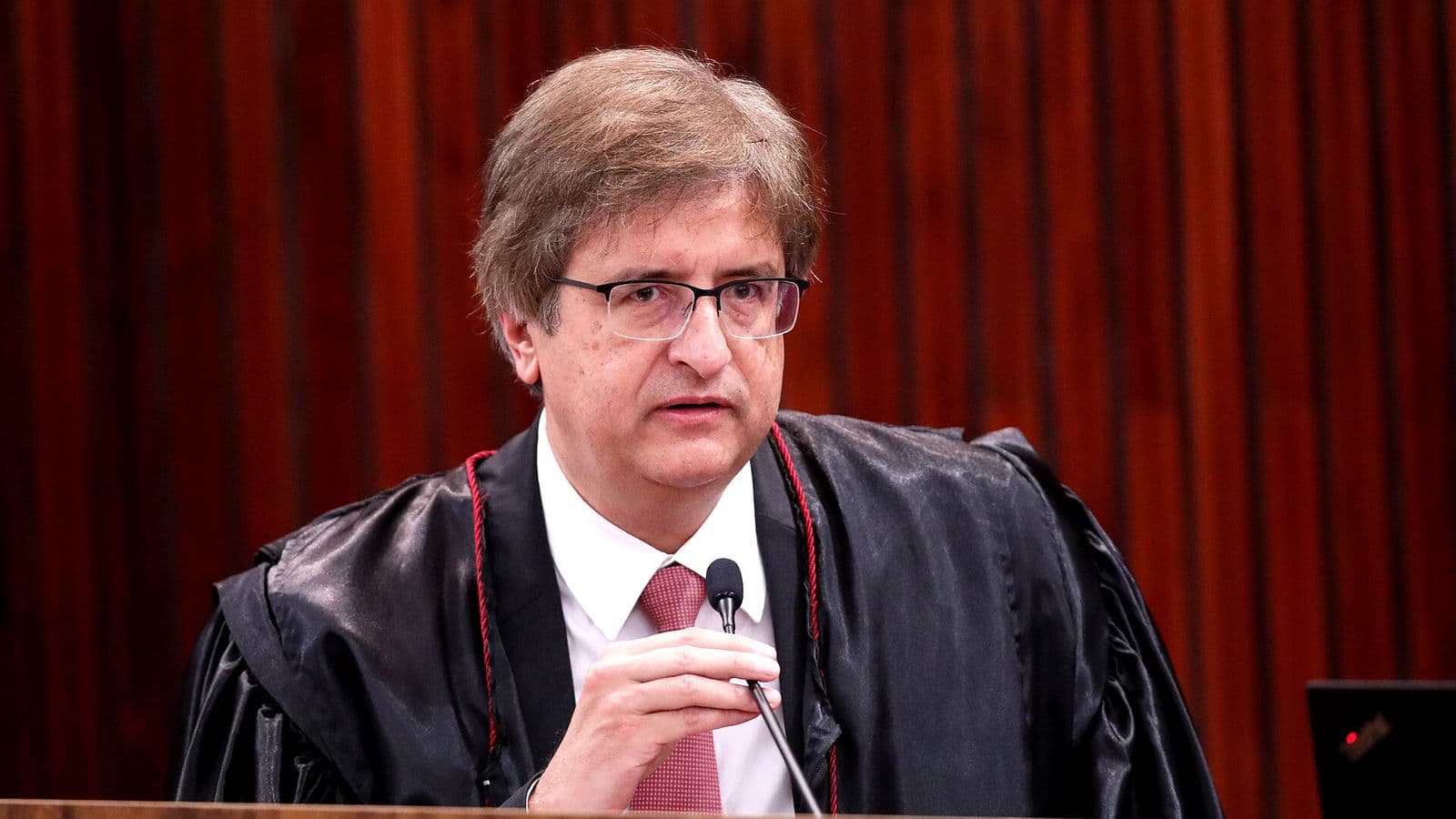
Brazil's prosecutor general, Paulo Gonet, asked the Supreme Federal Court (STF) to suspend, nationwide, the lawsuits challenging the constitutionality of the provisional measure (MP, a decree with immediate force of law) that banned online betting companies, known in Brazil as "bets." The request was filed on Friday (6) with Justice Luiz Fux, who is the rapporteur of four cases on the issue at the Supreme Court, according to g1.
Gonet argues that lower-court rulings allowed some platforms to keep operating despite the ban. In his view, the proliferation of lawsuits on an issue already under review by the STF creates legal uncertainty and uneven application of the rule. If Fux grants the request, cases in the other courts will be put on hold until the Supreme Court rules.
Also on Friday, the president of the Federal Regional Court of the 3rd Region (TRF-3), Judge Johonsom di Salvo, overturned an authorization for three betting companies to resume operations. In his ruling, he said it was inappropriate for public order that lower courts anticipate positions on a matter pending before the STF. One of the beneficiaries, Casa de Apostas, already had its website back online that morning.
The MP, issued by President Luiz Inácio Lula da Silva (Workers' Party, PT) and published on September 25, banned the operation, offering, brokering and advertising of fixed-odds betting, as well as online games and casinos. Blocking of the websites began on October 6.
The cases at the STF were filed by organizations representing the gaming and lottery sector and by an association of mayors and deputy mayors. They argue, among other points, that there was no urgency to justify an MP and that the measure violates legal certainty and free enterprise. Industry groups also note that companies paid R$ 30 million per license. The Office of the Attorney General (AGU) defends the validity of the ban.