Quaest: 56% say Flávio Bolsonaro left the country to escape justice
Poll released this Sunday shows 89% heard about the senator's trip to the US; among them, 62% disapprove of it, and 35% of all respondents see it as fleeing political persecution.
Translated from the Portuguese original by the Panorama newsroom. Read in Portuguese
Summary written by the Panorama newsroom from the sources listed below. Facts are attributed to the original publications.
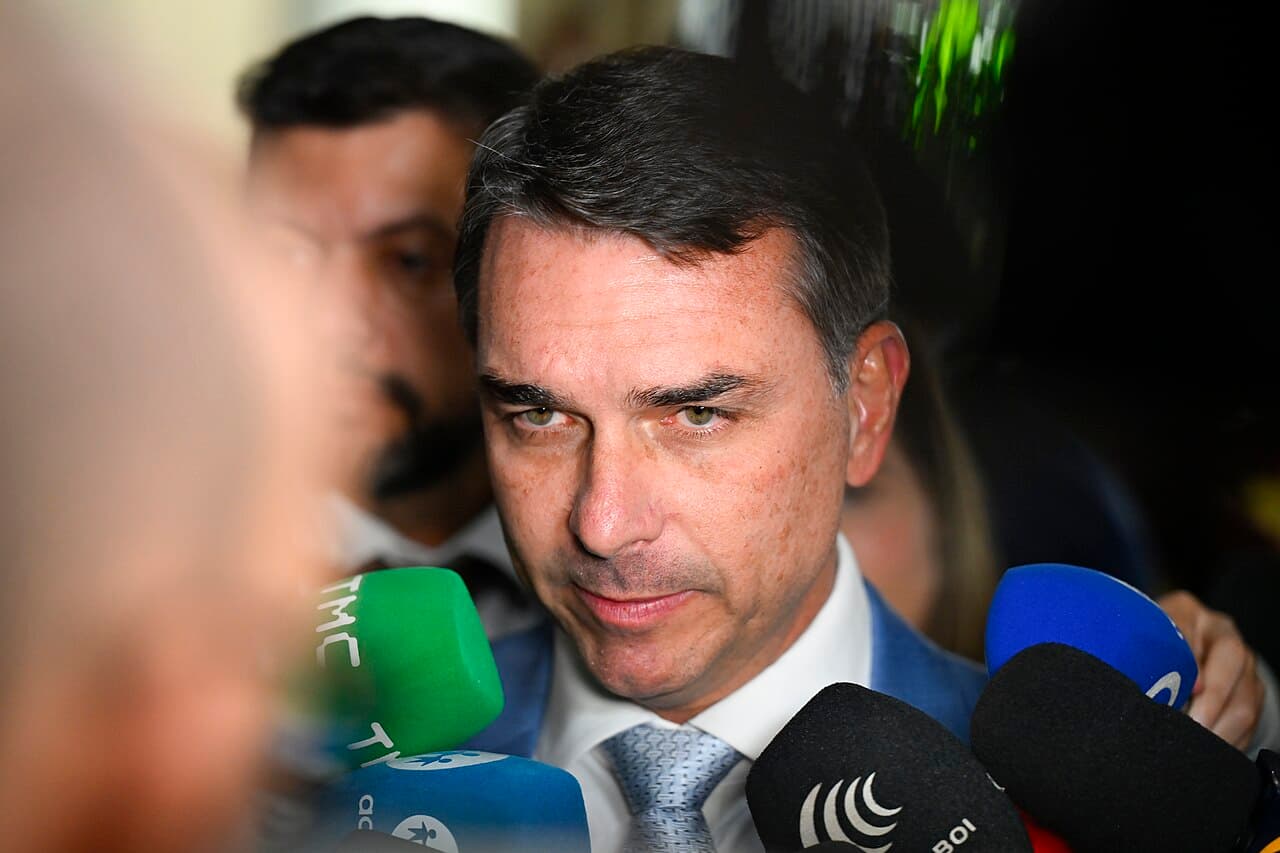
A Quaest poll released this Sunday (8) indicates that 56% of Brazilians believe Senator Flávio Bolsonaro left the country after the elections to flee justice, according to g1. Another 35% think he went to the United States to avoid political persecution.
The trip drew wide attention: 89% of respondents said they had heard about it. According to Quaest director Felipe Nunes, that is the highest awareness rate recorded in recent polls, above episodes such as the Banco Master scandal. Among those who knew of the trip, 62% think the senator acted wrongly, 29% that he acted rightly and 9% did not know or did not answer.
The survey points to a split on the right: half of that group, including some of those who voted for Flávio in the runoff, believe he was wrong to leave Brazil. The political-persecution reading is strongest among Bolsonaro supporters; among independents, only about a third share it.
Quaest also asked about Flávio's attempt to proclaim himself president after the election, an episode that 70% of respondents had heard of: 60% think he behaved badly. The senator's questioning of the election result is disapproved of by 59%. For Nunes, this rejection reflects the majority perception that the election was clean and fair.
According to g1, Flávio left the country after Justice Alexandre de Moraes of the Supreme Federal Court (STF) ordered him to surrender his passports; he defied the order, crossed into Argentina by land and from there flew on a private plane to the US. The senator is under investigation at the STF over suspected irregularities in the financing of the film "Dark Horse" and money laundering in deals linked to betting companies. The report does not include any comment from the senator on the poll.
Quaest interviewed 2,004 people between October 30 and November 2. The confidence level is 95%, and the margin of error is two percentage points.