Driven by delivery apps, motorcycle sales are expected to hit a record in 2026, with 2.35 million units forecast
Abraciclo projects production of 2.1 million motorcycles, matching the figures of 2008 and 2011; apps, purchase pools and pricier cars explain the expansion.
Translated from the Portuguese original by the Panorama newsroom. Read in Portuguese
Summary written by the Panorama newsroom from the sources listed below. Facts are attributed to the original publications.
Brazil's motorcycle market is expected to have the best year in its history in 2026, with a forecast of 2.35 million units sold, above the 2025 record, when 2.19 million were registered, Folha reported. Expected production, of 2.1 million motorcycles, matches the figures of 2008 and 2011, according to Abraciclo, the association that represents manufacturers.
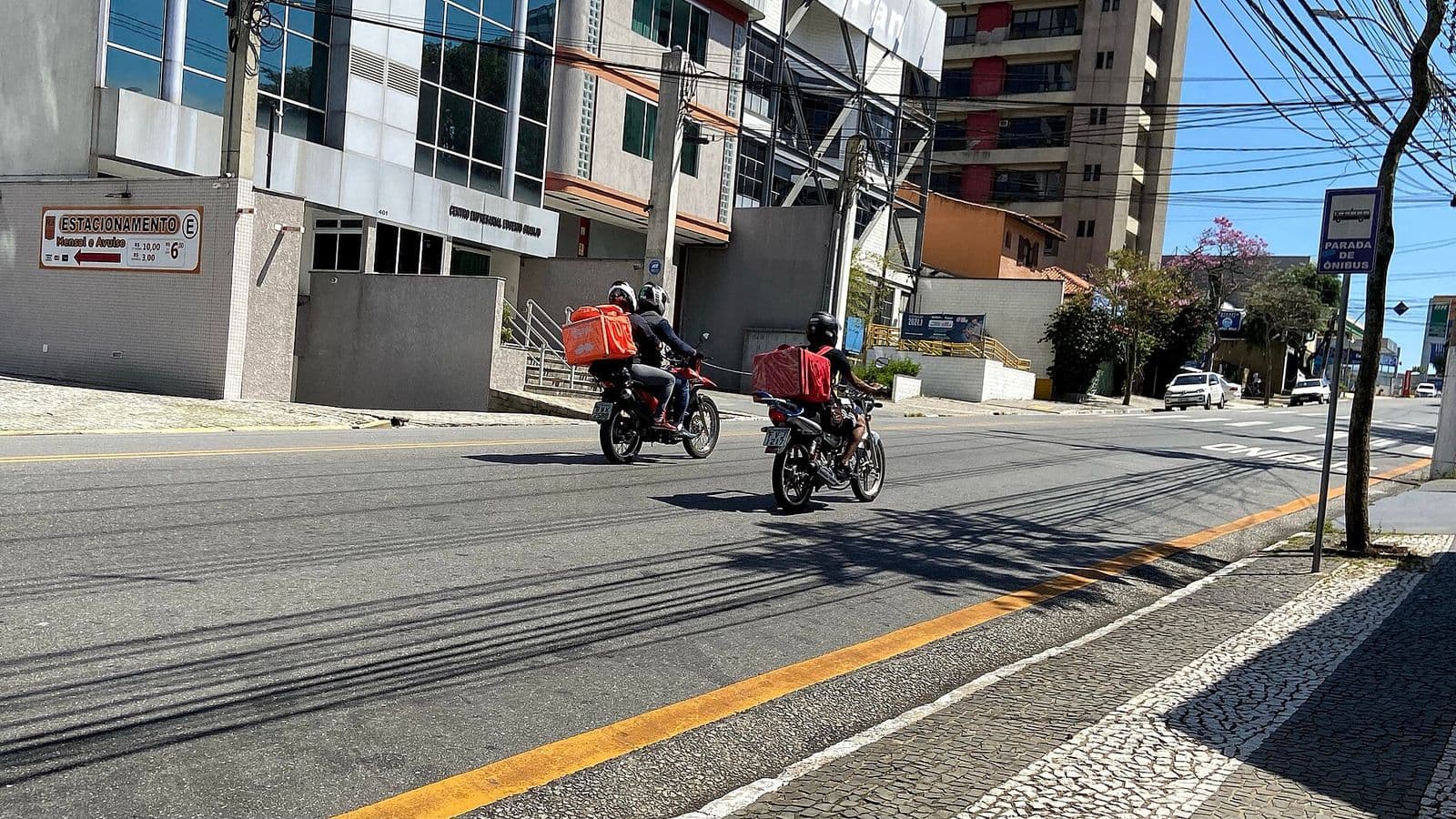
According to the report, the growth is linked above all to the expansion of delivery and ride-hailing apps. Also contributing are easy financing, since consórcios (Brazilian purchase pools) account for a third of sales, and the end of so-called popular cars, whose entry-level models now cost more than R$ 70,000. According to Sergio Oliveira, Abraciclo's executive director, about 22% of the sector's sales go to the delivery segment.
Honda leads the market, with 65.6% of sales from January to October, followed by Yamaha, with 13.8%, according to Fenabrave, the federation of vehicle dealers. Far behind are China's Shineray, with 6%, and Brazil's Mottu, with 4.8%. More than 90% of production is located in the Manaus Industrial Hub, where the two-wheeler sector had revenue of R$ 44.8 billion in 2025, the second largest in the Free Trade Zone, behind only computer goods.
The newspaper also interviewed economist Marcelo Neri, director of FGV Social, who points to the lack of protection for app-based couriers, who have no unemployment insurance or health coverage. In the Chamber of Deputies, a bill proposes a minimum fee of R$ 8.50 per delivery, a measure the companies in the sector oppose.
On the government side, the Move Brasil program's credit line for couriers and app drivers reached 21,000 financed motorcycles in October, according to Abraciclo. The program finances up to 100% of the vehicle over 48 months, with no down payment.