Mercury from a sacred pigment contaminated lakes of Maya cities for centuries, study suggests
Lake sediments in Cobá and Xcach, Mexico, show toxic levels linked to the use of cinnabar; researchers point to the metal as one more stress factor for the Maya.
Translated from the Portuguese original by the Panorama newsroom. Read in Portuguese
Summary written by the Panorama newsroom from the sources listed below. Facts are attributed to the original publications.
Mercury contamination in ancient Maya cities was more widespread than previously known, according to a study published in the journal Science Advances and reported by g1, with information from the Reuters news agency. The source is cinnabar, a red mineral composed mainly of mercury, which the Maya used as a sacred pigment in murals, temples, ceremonies and funeral rites.
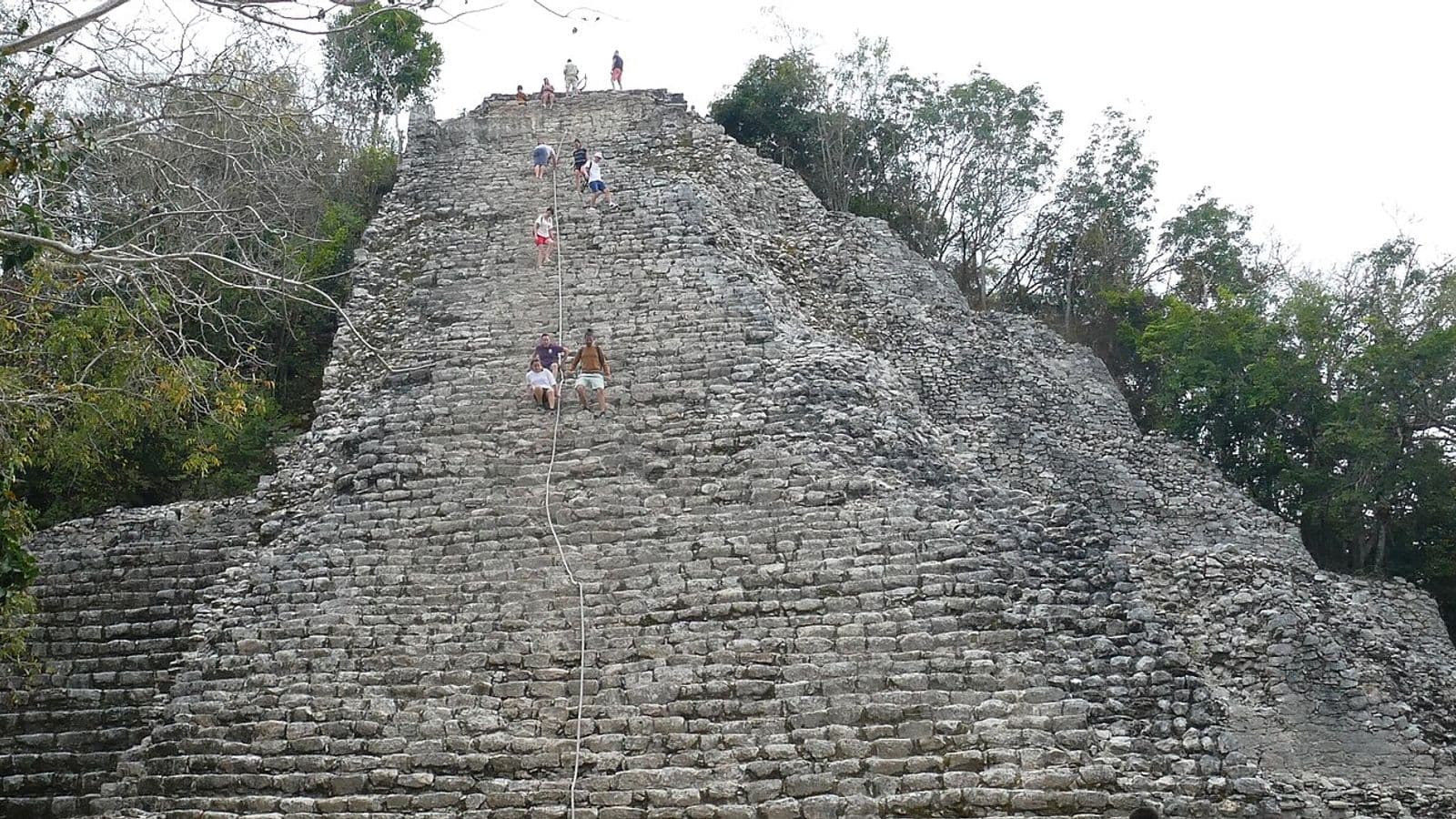
The researchers analyzed sediments taken from the bottom of lakes in two cities on Mexico's Yucatán Peninsula: Cobá, a well-studied site, and the little-known Xcach. In Cobá, there was a mercury peak starting around A.D. 250 and lasting roughly 150 years, at the beginning of the so-called Classic Period. In Xcach, there were three peaks, the first between A.D. 125 and 200 and the last from about A.D. 535 to 820.
According to lead author Matt Waters, a paleolimnologist at Auburn University in the United States, the most toxic levels far exceeded the limits set by modern regulations for centuries. Biological markers such as bacteria, algae, shelled organisms and midges declined or disappeared from the lakes, a sign that the metal reached several levels of the food chain.
Earlier studies had already recorded lasting contamination in cities such as Tikal, in Guatemala. The new work covers the northern lowlands of the Maya region, where there was little data on the subject, and reports some of the highest mercury concentrations ever measured for the Maya era.
Co-author Savanna Wooten said the population may have been exposed by drinking water or eating fish, although the sediments do not demonstrate this directly. She noted that the research does not directly link mercury to the collapse of Maya cities at the end of the Classic Period, but adds one more stress factor to the environmental and climatic pressures of the time. In the human body, mercury can damage the brain, kidneys, lungs and heart.