2,800-year-old Scythian tomb in Siberia holds the oldest proof of psychoactive cannabis use
Researchers found more than 1,400 seeds and chemical signs of THC in braids of hair; the study was published in the journal Science.
Translated from the Portuguese original by the Panorama newsroom. Read in Portuguese
Summary written by the Panorama newsroom from the sources listed below. Facts are attributed to the original publications.
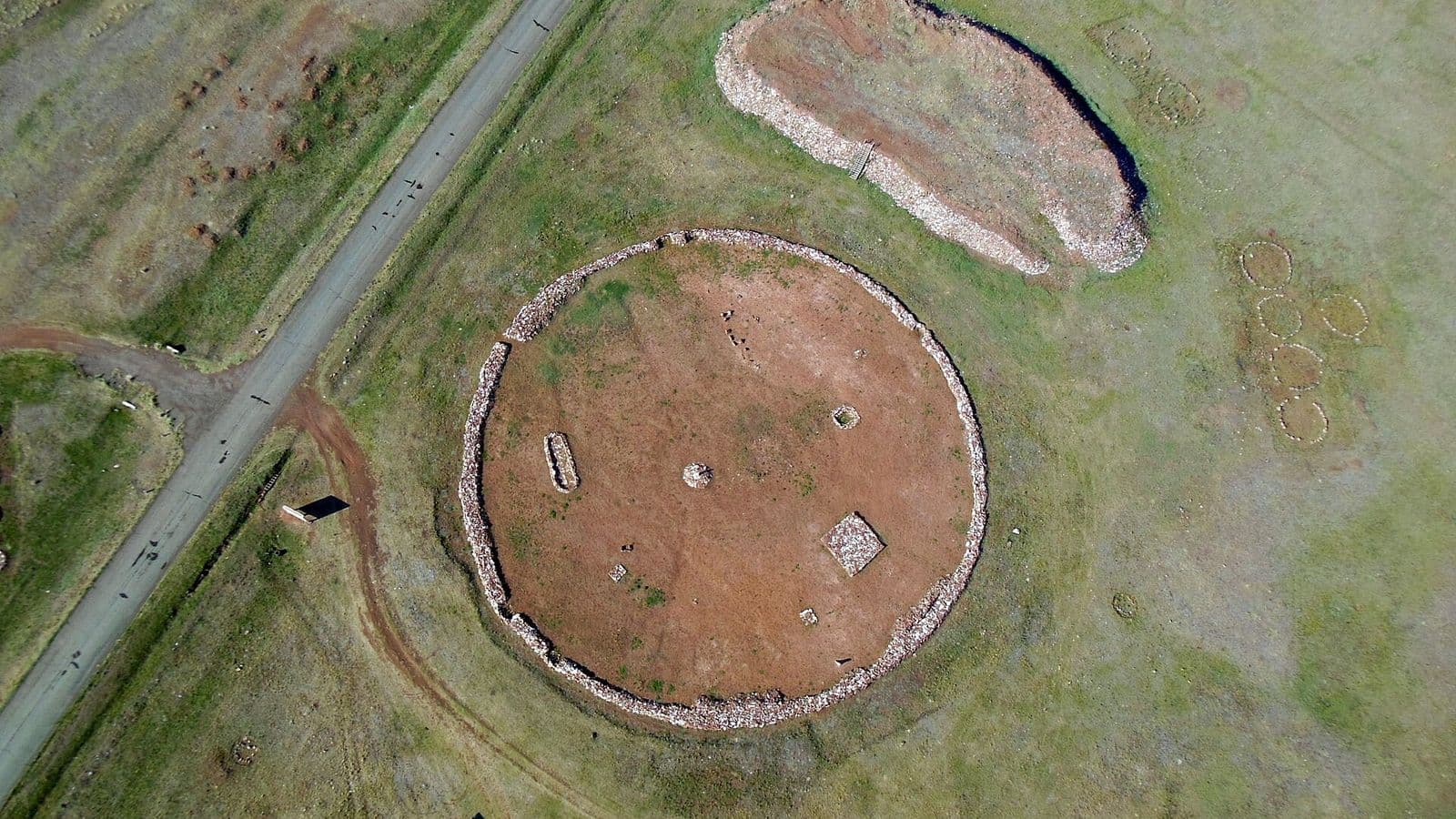
A tomb of the ancient Scythian culture in southern Siberia, about 2,800 years old, has provided the oldest evidence ever found of cannabis being consumed for its psychoactive effects, according to a study published in the journal Science and reported by g1. The burial structure, roughly 140 meters in diameter, lies in the Uyuk Valley in the Republic of Tuva, Russia.
The scientists recovered more than 1,400 cannabis seeds associated with the burials and, through dating, placed them in the early 8th century BC. Chemical analysis of braids of hair from several people buried in the central chamber revealed signatures consistent with THC, the plant's main psychoactive compound, and traces of cannabinol.
The find predates the oldest evidence known until now, from the first millennium BC, such as remains of burning implements found in the Middle East and the Pamir mountains. Archaeologist Gino Caspari, of the University of Bern and the Max Planck Institute of Geoanthropology, who led the work, noted that plants and human tissue are rarely preserved together, which makes such confirmation rare.
According to Caspari, the hair cannot show how the substance was consumed, but later records from the region suggest it was inhaled. The tomb, built with larch logs, clay and thousands of tons of stone, contained gold objects and pieces in the so-called Scythian animal style, as well as signs of sacrifices of horses and, probably, of people.
The seeds were well preserved, and sequencing revealed the oldest known cannabis DNA. For the researcher, the material may help rewrite part of the history of the plant's domestication.