Bones from caves in Spain point to cannibalism in the Stone Age
Study analyzed 967 human remains from at least 60 individuals and saw marks consistent with dismemberment, boiling and breaking for consumption.
Translated from the Portuguese original by the Panorama newsroom. Read in Portuguese
Summary written by the Panorama newsroom from the sources listed below. Facts are attributed to the original publications.
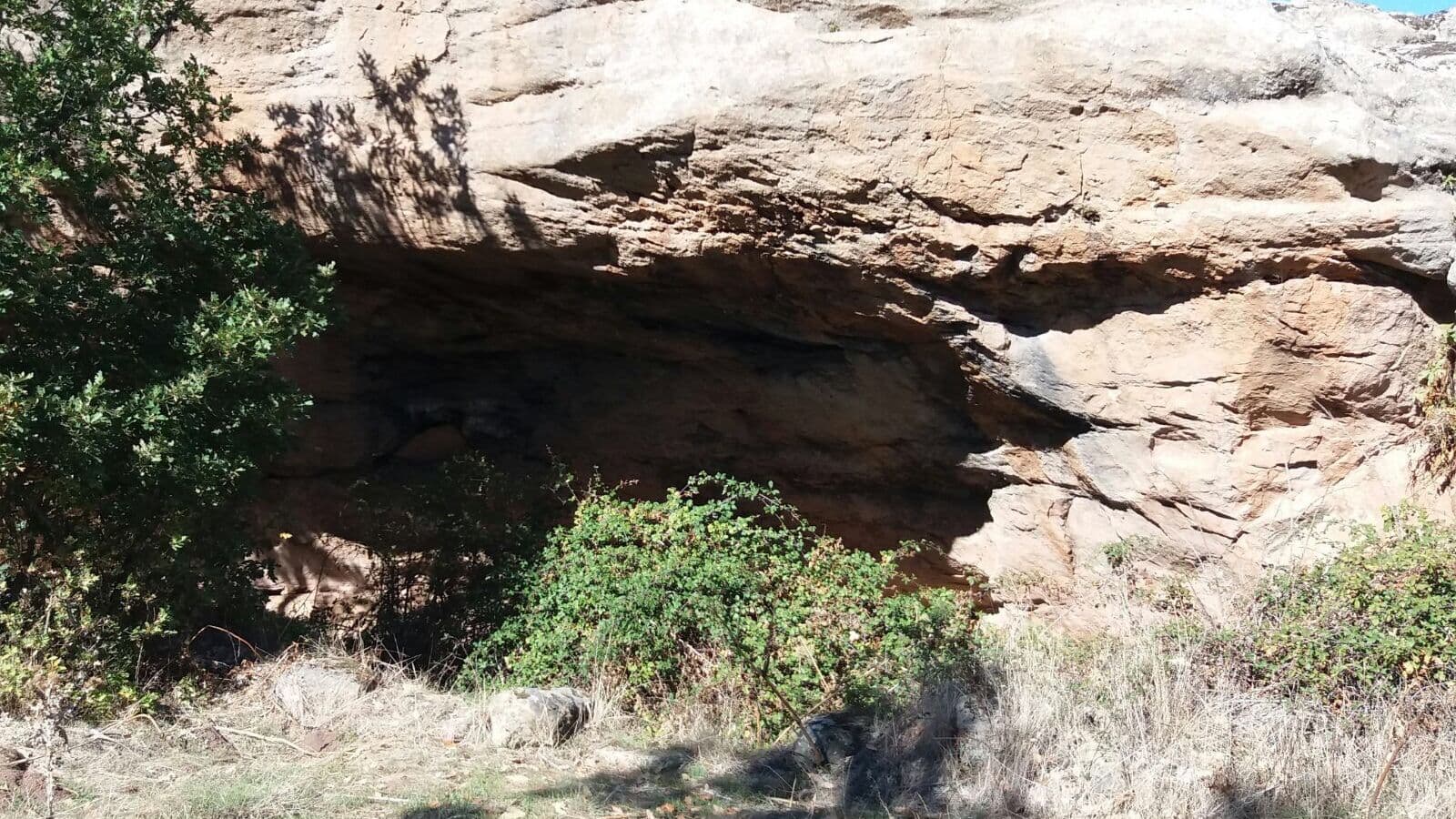
For centuries during the Stone Age, people living in caves in southern Spain consumed human flesh, a study published in the Journal of Archaeological Science concluded, according to Folha, in a text from the New York Times.
The author, anthropologist Miguel Botella, professor emeritus at the University of Granada, has researched caves in the region since 1972, when he found large accumulations of Neolithic bones at Las Majolicas. This time, the team compared three caves with signs of cannibalism in periods that sometimes overlapped.
In total, 967 human remains from at least 60 individuals, dated between 5,300 and 3,760 BC, were analyzed. The bones bear cut marks consistent with dismemberment and removal of flesh, as well as signs of blows used to break the pieces. Some appear to have been boiled, judging by their whiter color and translucency.
For Botella, it was not about war or conflict: people simply ate the bodies after death.