Coalition files 14 complaints of suspected money laundering with European regulators against JBS and its financiers
Accusations rely on a study linking the company's suppliers to 6.6 million hectares with deforestation since 1988; JBS says it has not seen the content.
Translated from the Portuguese original by the Panorama newsroom. Read in Portuguese
Summary written by the Panorama newsroom from the sources listed below. Facts are attributed to the original publications.
The Transnational Legal Coalition (TLC) filed 14 complaints on Wednesday (Nov. 4) alleging suspected money laundering by JBS and by the company's financiers and service providers, according to g1. The documents were sent to regulatory agencies in the Netherlands, Germany, Ireland and the United Kingdom.
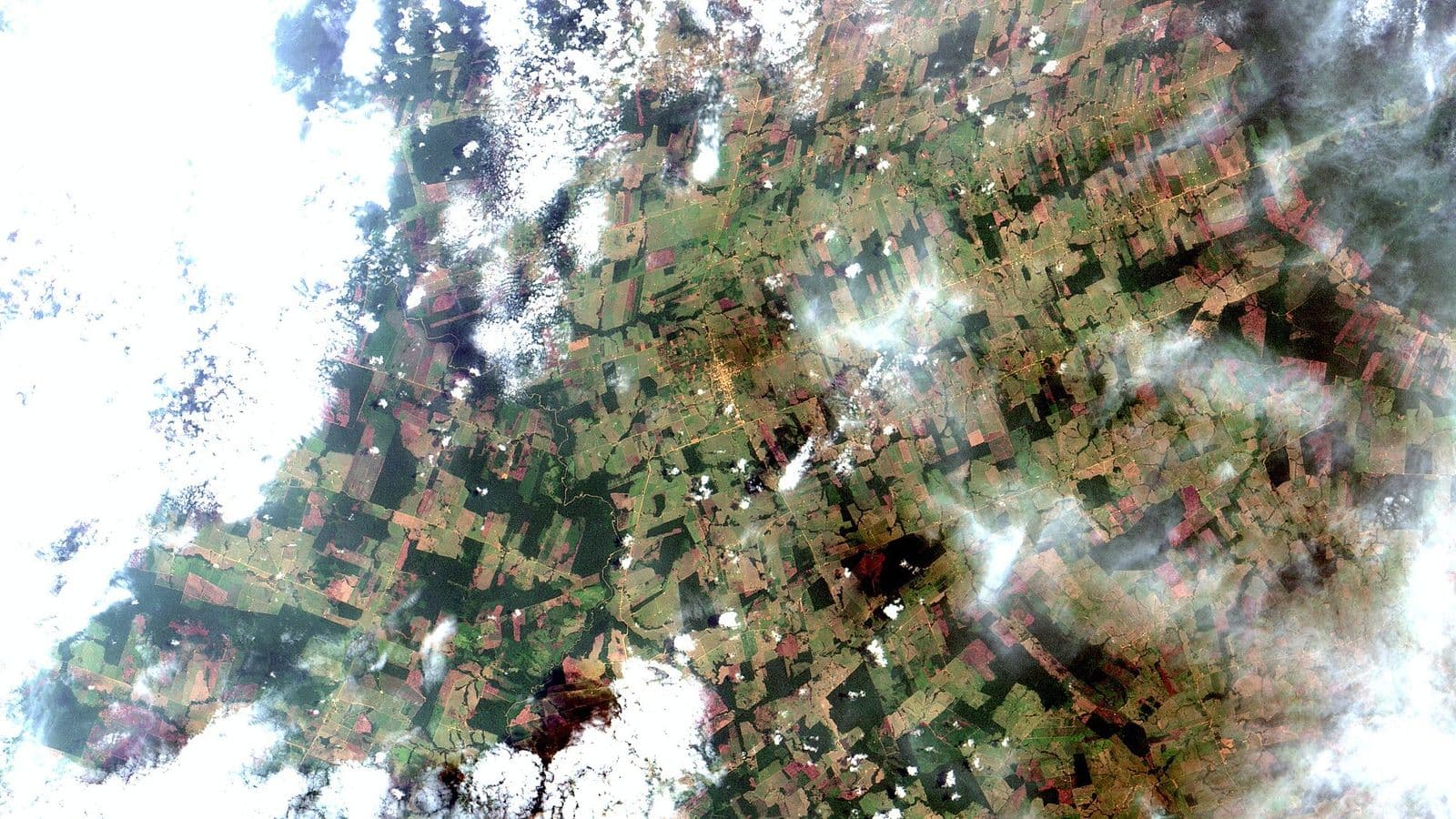
The complaints argue that there is a link between JBS's beef supply chain and illegal deforestation, including on Indigenous lands. A study commissioned by the coalition associates the company's direct and indirect suppliers with about 6.6 million hectares with deforestation records since 1988, most of it prior to July 2008. Besides the company, the targets include 12 of its main financiers, as well as auditors, lawyers and accountants; the institutions named include Barclays, Banco do Brasil, Rabobank and BlackRock.
The survey cross-referenced Animal Transit Permits (GTAs), records from the Rural Environmental Registry (CAR) and monitoring data from Brazil's National Institute for Space Research (Inpe). The coalition itself acknowledges that the information does not make it possible to state that an animal raised in an illegally deforested area was slaughtered by JBS, but says the cross-referencing points to higher-risk situations.
For lawyer Octavio Ferraz, a professor at King's College London and a member of the TLC, the novelty lies in using anti-money-laundering legislation to tackle environmental crimes. The argument is that banks and other financial service providers, when faced with red flags, would be obliged to deepen their checks and report to the authorities.
Asked for comment, JBS said it had not had access to the full complaints and had not issued a statement by the time the report was last updated. Banco do Brasil said it had not had access to the material and that it maintains anti-money-laundering and socio-environmental risk management policies.