Exceeding 1.5°C, even briefly, can cause irreversible ice loss, report warns
UNEP and ICCI study, with more than 80 scientists, says Greenland and Antarctica are already losing ice six times faster than in the 1990s.
Translated from the Portuguese original by the Panorama newsroom. Read in Portuguese
Summary written by the Panorama newsroom from the sources listed below. Facts are attributed to the original publications.
Temporarily exceeding the 1.5°C limit of global warming can cause irreversible ice loss and accelerate sea level rise, concludes a report by the United Nations Environment Programme (UNEP) and the International Cryosphere Climate Initiative (ICCI), reported by g1.
The document, which brings together more than 80 scientists, analyzes so-called overshoot: the period in which the average temperature exceeds 1.5°C and then falls again. According to the authors, some of the effects on glaciers, ice sheets, permafrost and polar oceans may persist for decades or centuries, even with later cooling.
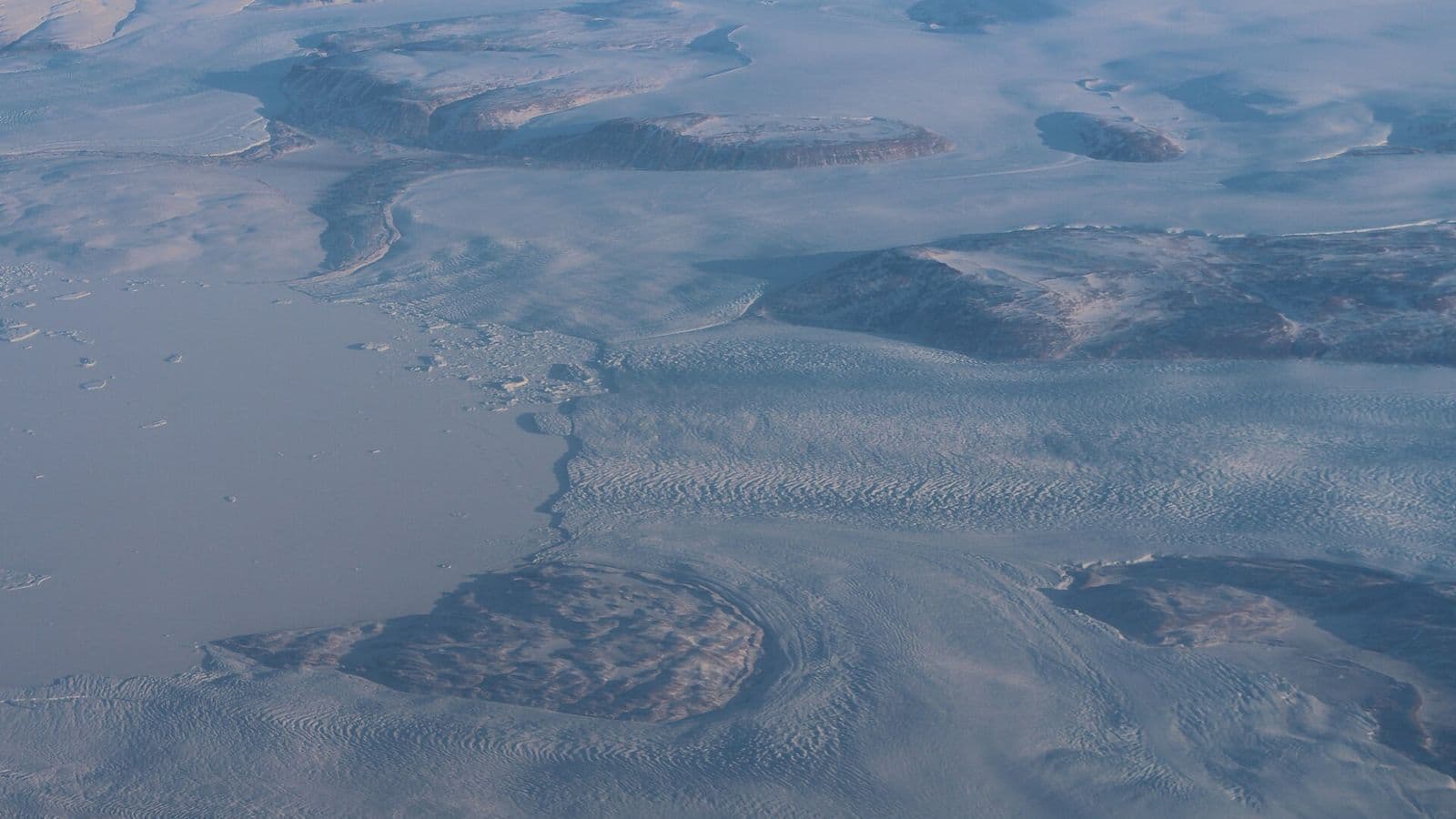
The Greenland and Antarctic ice sheets are already losing mass about six times faster than in the 1990s. Some instabilities could raise sea level by several meters over the coming centuries. The level considered safest for these ice sheets would be near 1°C.
In Brazil, sea level rise increases the risk of coastal flooding, beach erosion and saltwater intrusion into aquifers.
The authors call for cutting emissions by at least 5% a year and reaching net-zero emissions by mid-century.