NASA's Swift telescope expected to fall to Earth after failed rescue mission
The observatory that detected more than 2,000 gamma-ray bursts ended operations after nearly 22 years in space.
Translated from the Portuguese original by the Panorama newsroom. Read in Portuguese
Summary written by the Panorama newsroom from the sources listed below. Facts are attributed to the original publications.
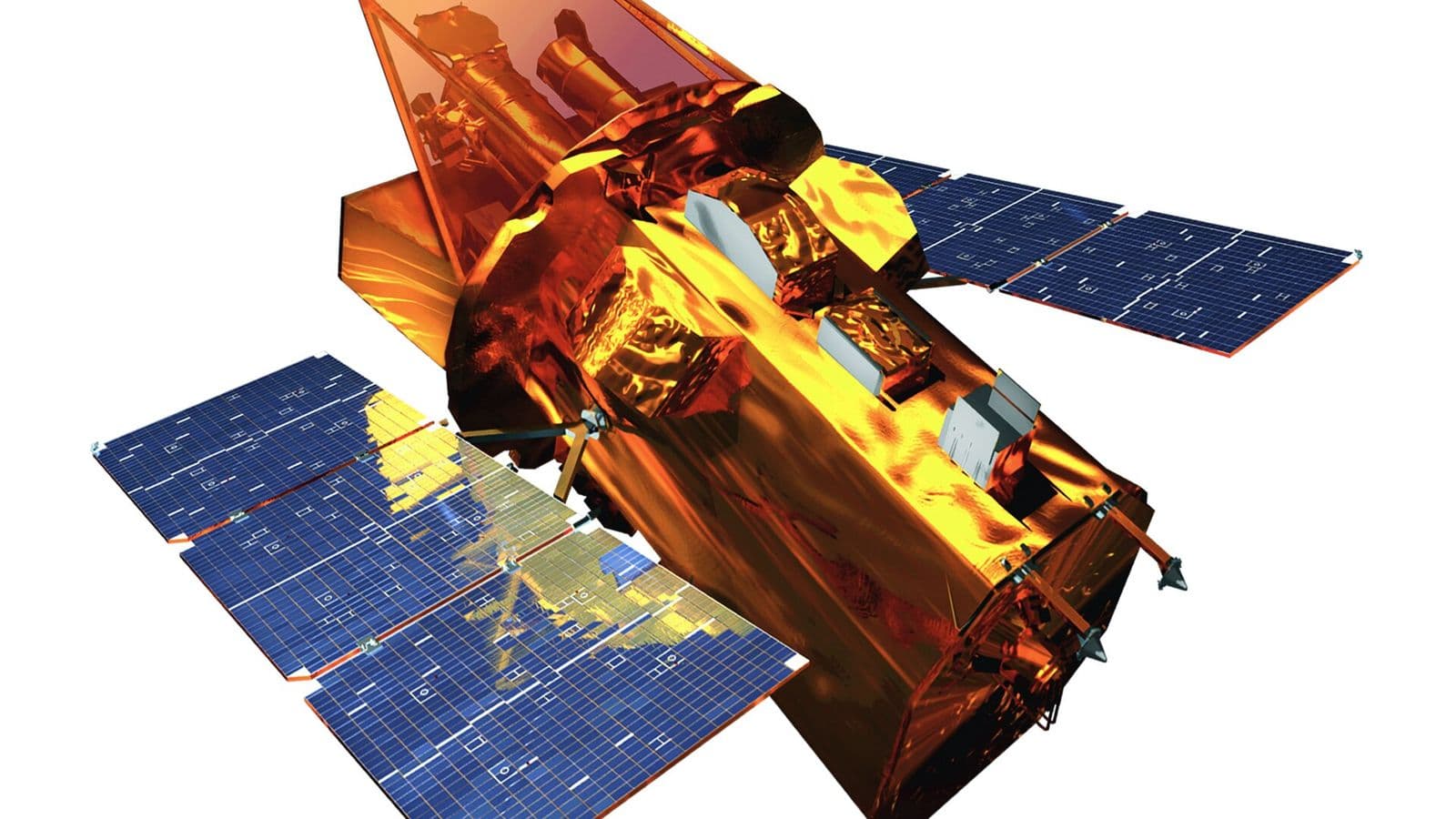
NASA's Neil Gehrels Swift space telescope is expected to reenter Earth's atmosphere in the coming weeks, g1 reported. The observatory made its last scientific observation on October 20, when it was already at about 275 kilometers in altitude, a range where friction with the upper layers of the atmosphere makes it hard to keep instruments pointed steadily.
The space agency tried to extend the mission's life. A robotic spacecraft was launched to capture the telescope and raise its orbit, but the plan failed: the spacecraft's control system had problems during the operation, and the rescue mission was canceled in August.
NASA has not yet said the date or location of reentry. Because Swift has no system to control its descent, it cannot be steered to a specific region.
The 1.5-ton instrument was launched in November 2004 and operated for nearly 22 years. In that time, it detected more than 2,000 gamma-ray bursts, among the most energetic events in the Universe.