Comets may have contributed less to the origin of life than assumed
Cambridge simulations indicate it would be rare for a comet to deliver a significant amount of hydrogen cyanide intact to Earth.
Translated from the Portuguese original by the Panorama newsroom. Read in Portuguese
Summary written by the Panorama newsroom from the sources listed below. Facts are attributed to the original publications.
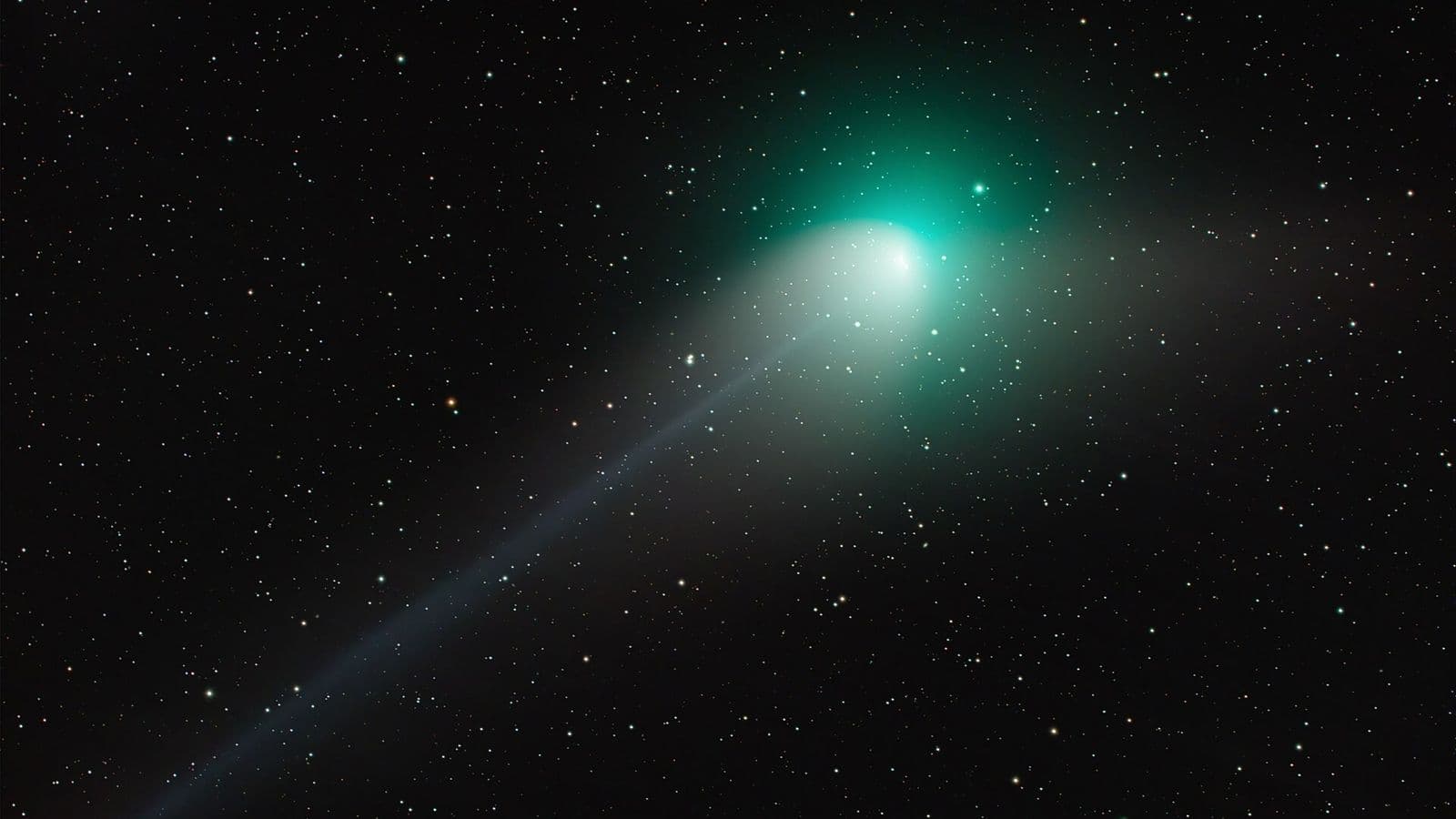
An old hypothesis holds that comets brought from space molecules important for the emergence of the first organisms. A new study, published on Wednesday (28) in the journal Scientific Reports, indicates that at least one of these mechanisms may have been much less likely, g1 reported.
Researchers at the University of Cambridge, in the United Kingdom, used simulations to test whether comets could have delivered large amounts of hydrogen cyanide (HCN) to Earth, a molecule tied to chemical reactions essential to life. In most scenarios, the required concentration was not reached.
For HCN to arrive intact, the comet would need a specific speed and angle. The heat and pressure of impact could destroy the substance, or water could dilute it. The simulations showed that Mars, with a thin atmosphere and slower impacts, would be a more favorable target than Earth.
Experts note, according to g1, that the result applies only to intact HCN. Comets carry other organic compounds, and the impacts themselves trigger important reactions, so the study does not rule out other contributions from these bodies.