Under a historic El Niño, Rio Grande do Sul has recorded nine storm deaths since July
Tornadoes, hail and floods keep hitting the state; a climatologist forecasts above-average rain and heat through spring and summer, according to g1.
Translated from the Portuguese original by the Panorama newsroom. Read in Portuguese
Summary written by the Panorama newsroom from the sources listed below. Facts are attributed to the original publications.
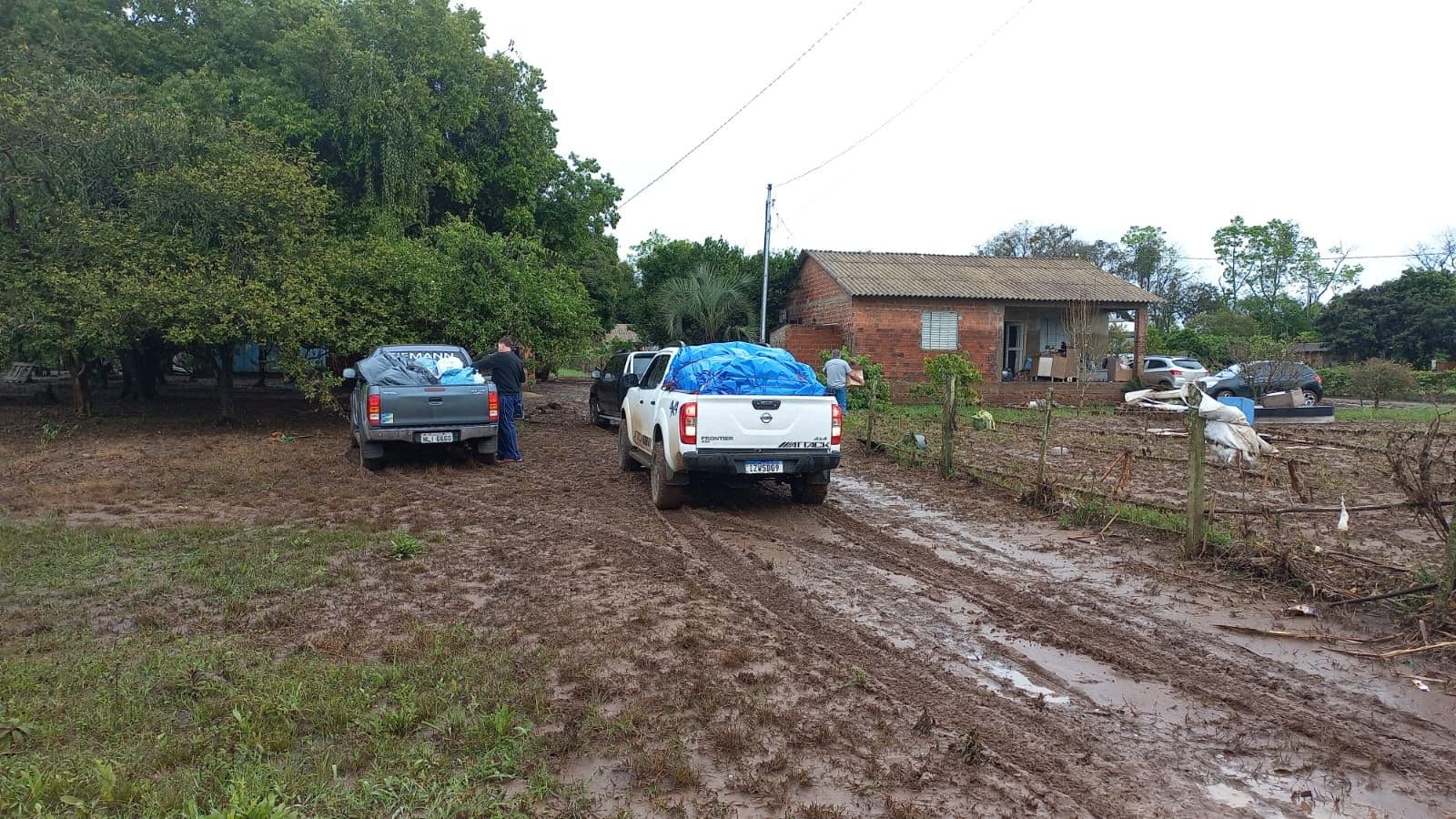
Rio Grande do Sul has recorded nine deaths linked to severe weather since July, amid the effects of an El Niño considered historic, g1 reported. There were three deaths in August and six in September, the deadliest month, with victims of flash floods, of electric shocks caused by downed wires and of vehicles swept away by water. Three other deaths recorded in November are being investigated to determine whether they are related to the rains.
The sequence of storms began in the first days of July, in the north of the state, and soon spread. That month, a tornado hit three municipalities in the state's northwest; in August, another swept through the southern region with gusts that, according to records cited in the report, exceeded 300 km/h. In September and October, new storms again hit areas already affected, with greater reach and intensity, and episodes of hail caused damage in several cities.
El Niño is a natural phenomenon that usually occurs every two to seven years, marked by warming of at least 0.5°C in the surface waters of the Equatorial Pacific, which alters winds and the distribution of heat and moisture around the planet. According to g1, the state is facing the combined effects of this phenomenon and climate change.
For climatologist Francisco Eliseu Aquino, the current El Niño should rank among the two or three most impactful for humanity, considering deaths from heat waves and floods and economic, social and environmental losses. He believes atmospheric systems have become more intense over the past decade and that the population needs to get used to more frequent extreme events, such as tornadoes.
There is no prospect of immediate relief. According to Aquino, spring and summer should continue to bring above-average rain and higher temperatures, which keeps extreme events expected in the state at least until early next year.