Caiman attacks on livestock and a teenager worry residents of Alenquer, in Pará
A farmer says he lost more than 30 animals in a year; a biologist links the encounters to fewer fish and drought and calls for studies before any population control.
Translated from the Portuguese original by the Panorama newsroom. Read in Portuguese
Summary written by the Panorama newsroom from the sources listed below. Facts are attributed to the original publications.
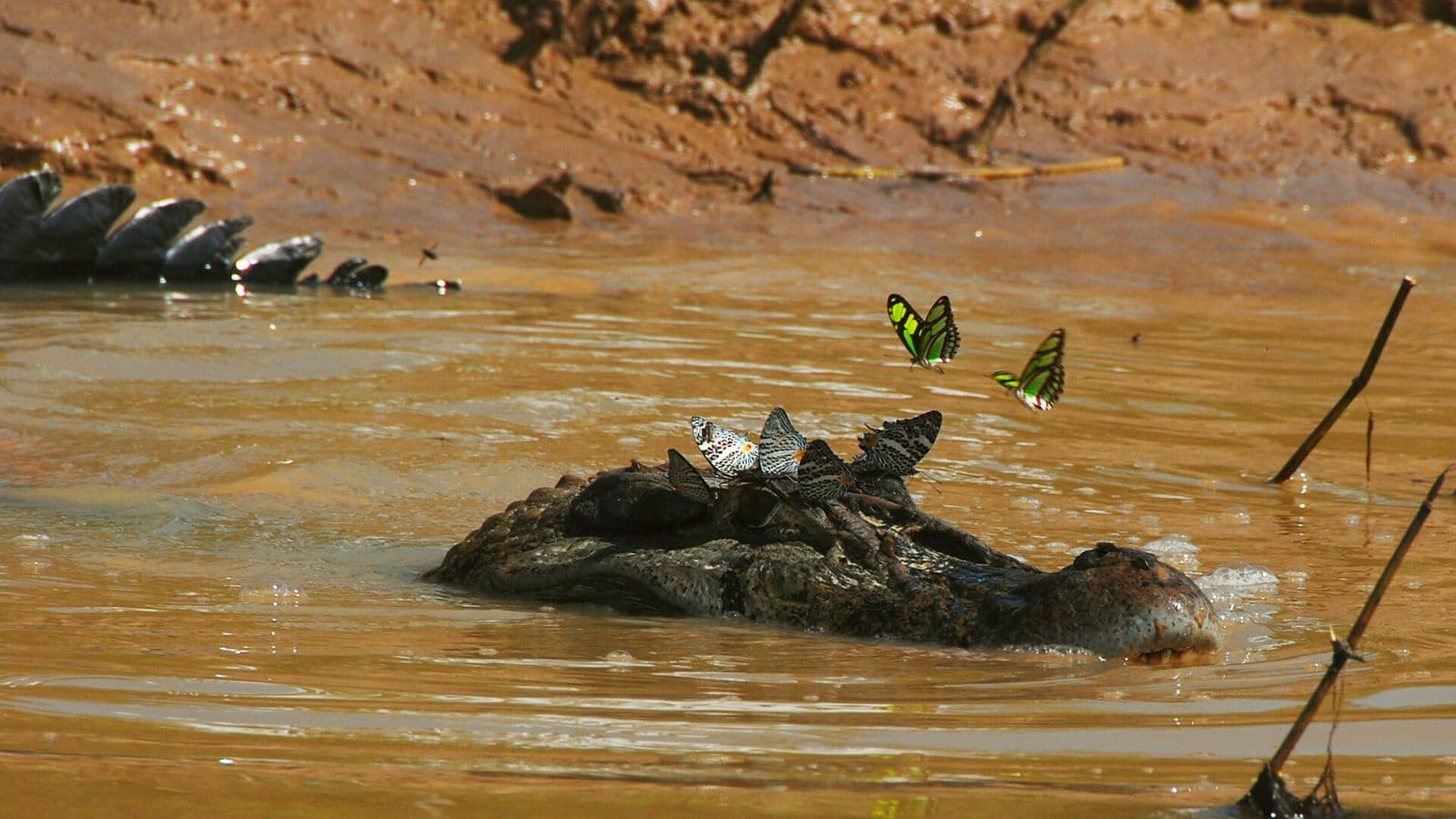
Residents and livestock farmers in Alenquer, in western Pará state, report growing concern over the presence of caimans and attacks on herds in floodplain areas near rivers and lakes, according to a report by g1. There are also reports of attacks on people.
A farmer identified as Douglas, who lives in Santarém and owns land in the region, said he lost more than 30 animals over the past year. According to him, the animals are attacked mainly when they go to the water to drink or to cross small streams, and some survive with severe jaw injuries that leave them unable to feed.
Among the farmer's accounts is the case of a 14-year-old boy who was attacked while fishing in the Arapiri community. According to his account, the boy spent several days in the hospital, had his leg amputated and was recently discharged.
For biologist Esrom Paixão, of ZooUnama, the caimans' search for prey on farms may be linked to less food available in the wild: fewer fish, drought and changing river levels alter the feeding dynamics of these reptiles, which are opportunistic. During the dry season, caimans may gather in the stretches that still hold water, precisely where other animals go to drink. He stresses that the reports are not enough to claim there is overpopulation and says the caimans may be "just as much victims as the fish themselves."
The farmer wants the authorities to consider legal ways to control the species' population. The biologist says any capture, relocation or control must be preceded by environmental studies and an assessment by the relevant agencies. In the meantime, he advises residents not to enter the water where there are signs of caimans, not to leave animals loose along the banks and not to try to rescue livestock under attack.