Study links climate change to Typhoon Dujuan's extreme rainfall in Japan
World Weather Attribution scientists estimate 9% more water vapor in the atmosphere; the typhoon's passage in September left 17 dead.
Translated from the Portuguese original by the Panorama newsroom. Read in Portuguese
Summary written by the Panorama newsroom from the sources listed below. Facts are attributed to the original publications.
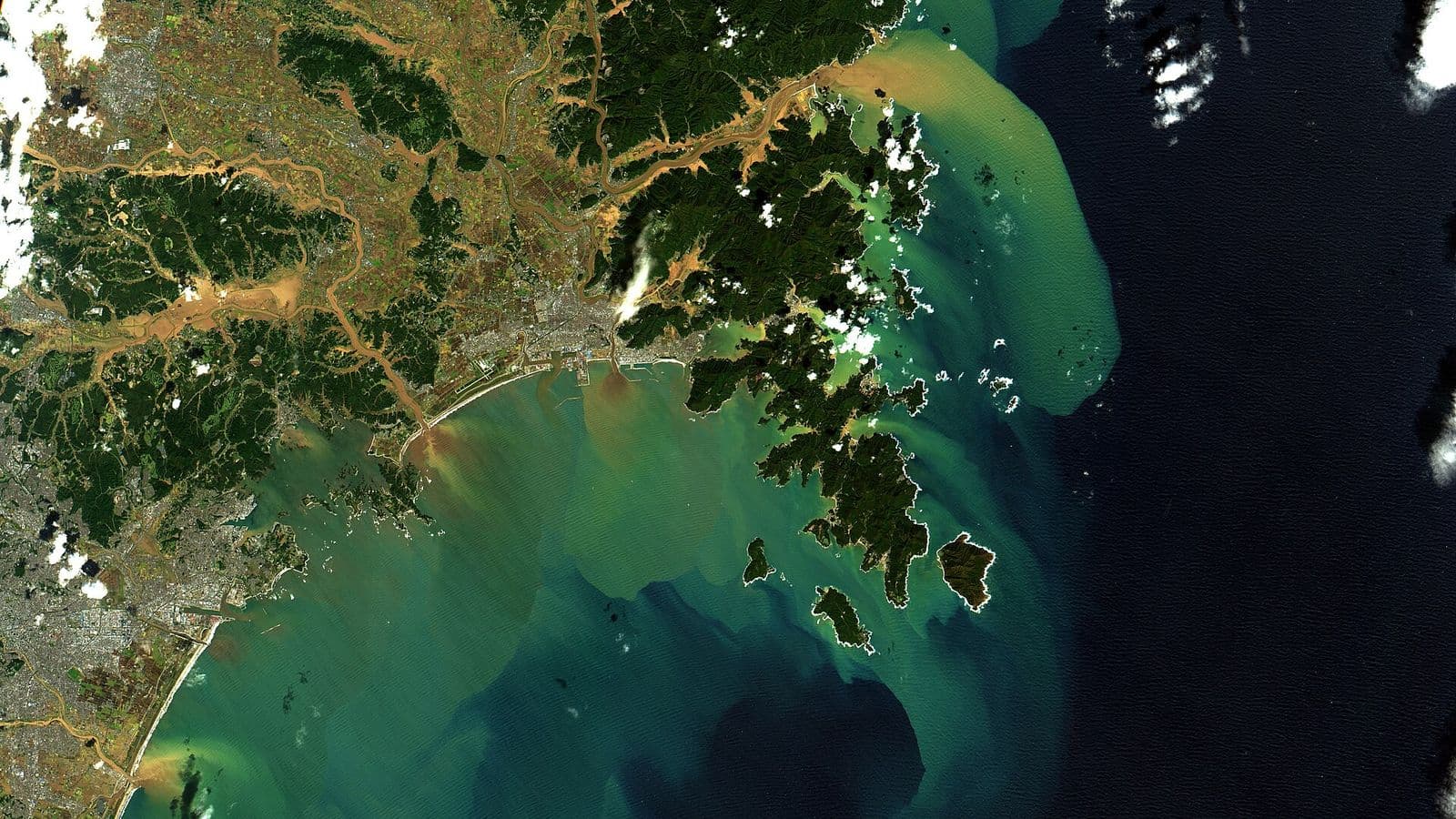
Human-caused climate change helped make the rainfall of Typhoon Dujuan, which struck Japan in September, more intense, according to a World Weather Attribution (WWA) study reported by g1 on October 29.
The researchers calculated that there was about 9% more water vapor in the atmosphere than there would have been without global warming, which means more moisture available to become rain. Ocean waters were also 2°C to 3°C warmer.
The typhoon hit the Kantō region, leaving 17 dead and nearly 45,000 homes without power. Most of the deaths occurred in Chiba.
Simulations indicated rainfall volumes 20% to 40% higher in the current climate than they would be in a world without warming. The scientists, however, say that uncertainties prevent them from precisely attributing the amount of rain to climate change.
The work brought together experts from Japan and four other countries. The analysis also concluded that El Niño, which is influencing the climate in several regions of the world this year, played no role in the rains associated with this storm.