Tinto Brass, the Italian filmmaker behind the controversial 'Caligula', dies at 93
The director left his mark on European erotic cinema and saw his best-known film re-edited against his will and censored in several countries, including Brazil.
Translated from the Portuguese original by the Panorama newsroom. Read in Portuguese
Summary written by the Panorama newsroom from the sources listed below. Facts are attributed to the original publications.
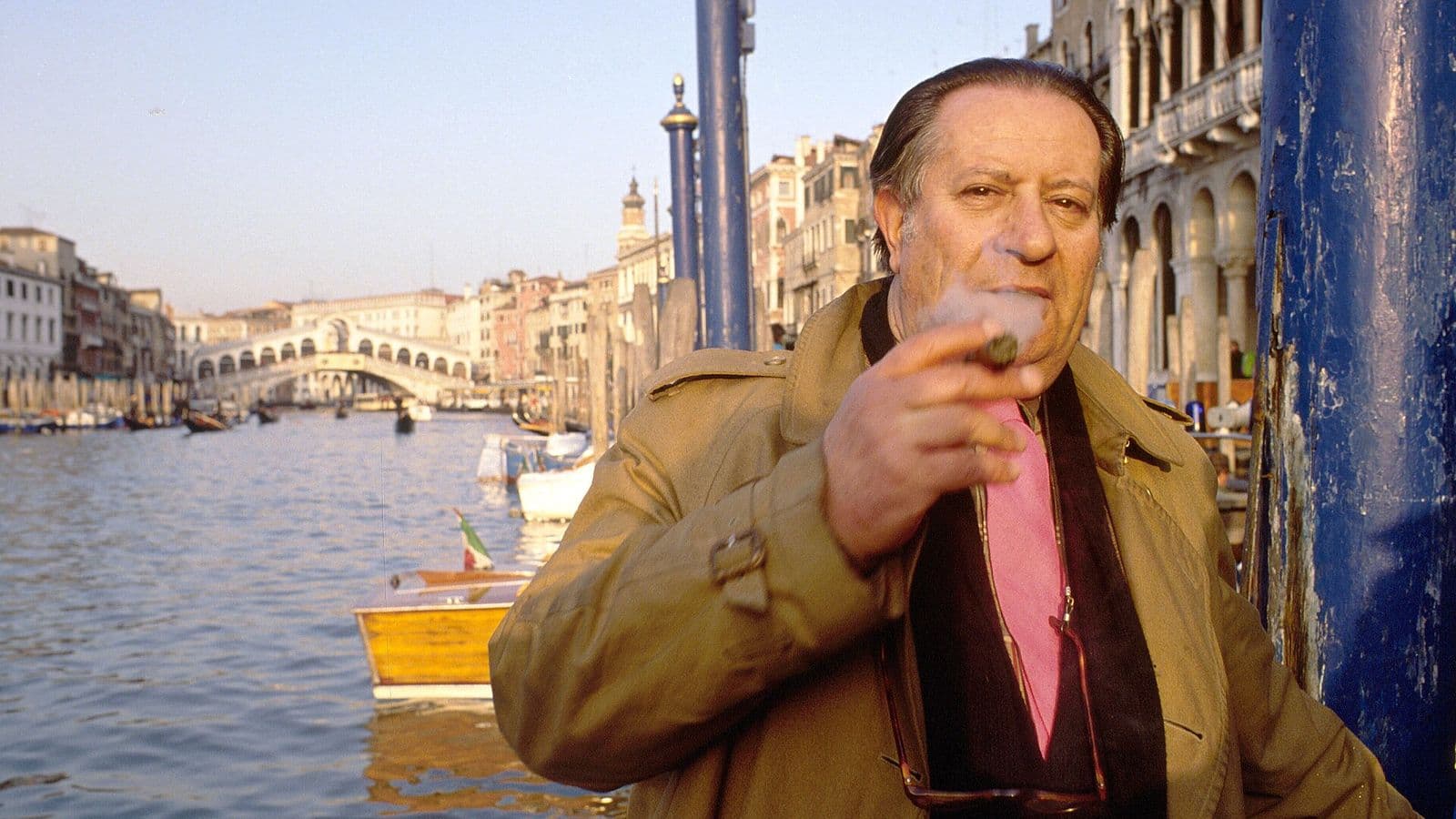
Italian filmmaker Tinto Brass, one of the leading names in European erotic cinema, died on Wednesday (Nov. 4) at age 93, Folha de S.Paulo reported, citing information released by his family to the Ansa news agency. The cause of death was not disclosed.
His best-known film, "Caligula" (1979), follows the rise and fall of the Roman emperor, played by Malcolm McDowell, and was marked by a turbulent production. According to Folha, after shooting ended, producer Bob Guccione, founder of Penthouse magazine, took over the editing and added explicit sex scenes filmed in secret, against the wishes of Brass and screenwriter Gore Vidal, who asked for their names to be removed. The film was censored in several countries, including Brazil during the military dictatorship.
The restored version, "Caligula: The Ultimate Cut," faithful to what the director and screenwriter had conceived, premiered at the Cannes Film Festival in 2023 and arrives on Thursday (Nov. 5) on the Filmelier+ streaming catalog.
Born in Milan in March 1933, Brass adopted his stage name as a child, inspired by the painter Tintoretto. He worked as an archivist at the Cinémathèque in Paris during the French New Wave and was an assistant director to Roberto Rossellini and to Brazilian filmmaker Alberto Cavalcanti. His turn to eroticism came in the 1970s, with "Salon Kitty" (1976) and "Caligula."
He later devoted himself to films centered on female characters and sexual liberation, such as "Miranda" and "Monella" (1998), and his erotic comedies were hits in Italy. In September, he was honored at the Venice Film Festival but did not attend for health reasons. He is survived by his wife, actress and lawyer Caterina Varzi, and his children Beatriz and Bonifacio.