Book reconstructs the medical inspections of slave ships arriving in Rio between 1791 and 1830
In 'Corpos em Trânsito', historian João Carlos Nara Jr. shows that health inspections aimed to protect the city, not the enslaved Africans; one ship recorded 46 deaths from 'banzo.'
Translated from the Portuguese original by the Panorama newsroom. Read in Portuguese
Summary written by the Panorama newsroom from the sources listed below. Facts are attributed to the original publications.
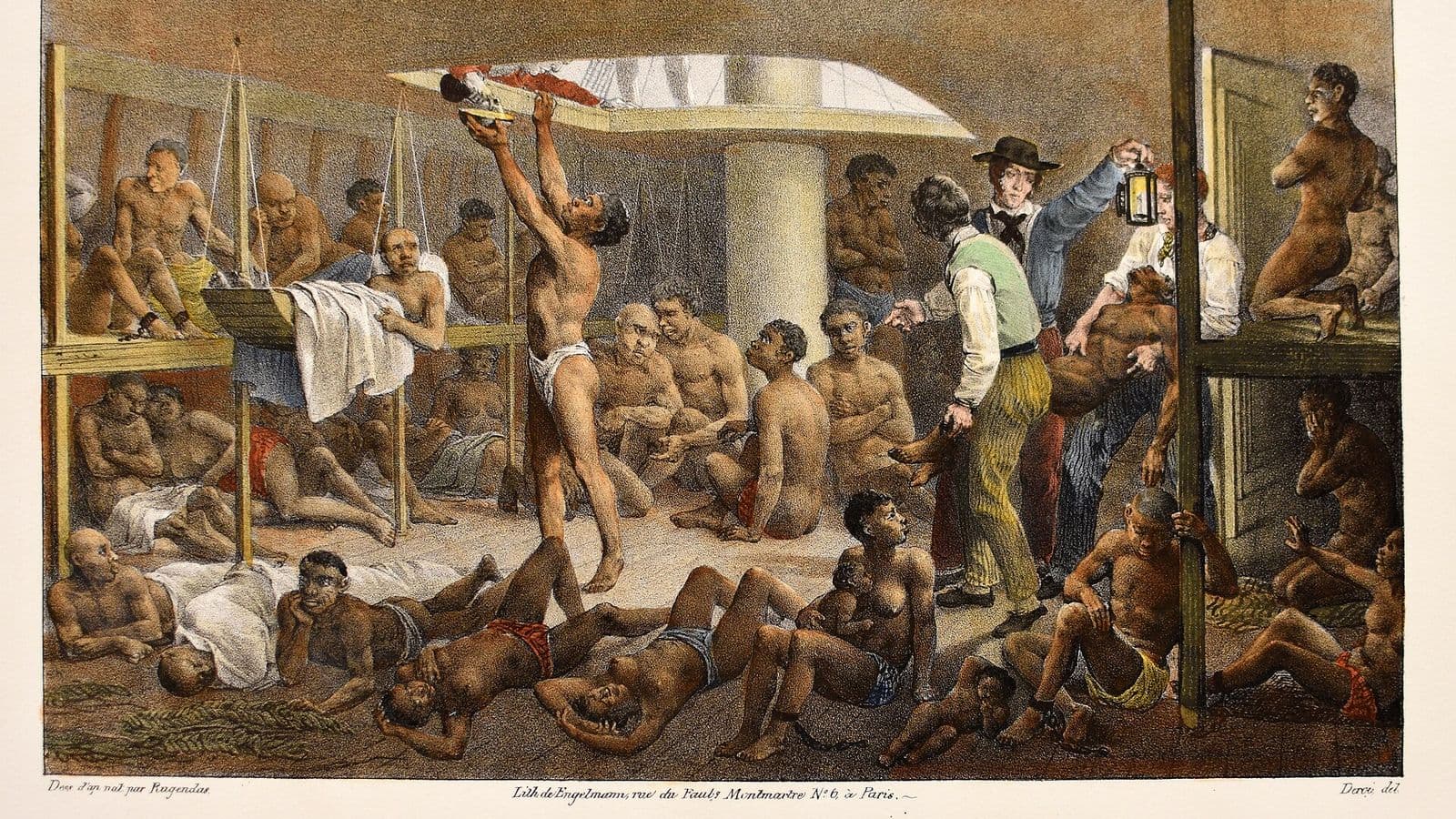
Architect and historian João Carlos Nara Jr. has released "Corpos em Trânsito: Visitas de Saúde em Navios Negreiros (1791–1830)" (Bodies in Transit: Health Visits on Slave Ships), published by Letra Capital, a work that analyzes documents on the health inspections carried out on vessels bringing enslaved Africans to the port of Rio de Janeiro, g1 reported. For now, the book is distributed only at events; the author plans a commercial release in the future.
According to the research, based on handwritten folios kept in Rio archives, the inspection was carried out by a city councilman, a doctor and a clerk, who applied a questionnaire in use since 1690 about illness during the voyage, contact with other ships and the number of dead. When deemed necessary, the captives were sent into quarantine. For the author, a staff member at the Federal University of Rio de Janeiro (UFRJ) and a member of the Pretos Novos Institute, the goal was to defend the city and the market, not to care for the people on board.
In 1791 records from the Rio de Janeiro City Archive, he identified four voyages with an average onboard mortality rate of 8.8%, on ships carrying 400 to 576 people, including crew and enslaved Africans. The records also show one voyage with 46 deaths attributed to "banzo," a term of Angolan origin associated with deep melancholy. Nara Jr. warns that these records must be read with caution, since the crossings exposed Africans to malnutrition and disease. There were also ships with dozens of smallpox deaths that were cleared to disembark.
The book builds on the author's earlier studies of the Santa Rita parish and the Pretos Novos Cemetery at Valongo, where newly arrived Africans who died before being sold were buried. According to estimates based on the SlaveVoyages database cited by g1, about 2 million enslaved Africans landed in Rio.
For the researcher, recovering these documents gives visibility to lives reduced to bureaucratic statistics and serves as a form of reparation. His goal, he says, is to "recreate a memory that does not exist."