Exhibition at the National Museum of Fine Arts recovers eight women abolitionists
'Brazilian Abolitionists' brings together the stories of figures such as Esperança Garcia, Aqualtune and Maria Firmina dos Reis, many with no surviving image.
Translated from the Portuguese original by the Panorama newsroom. Read in Portuguese
Summary written by the Panorama newsroom from the sources listed below. Facts are attributed to the original publications.
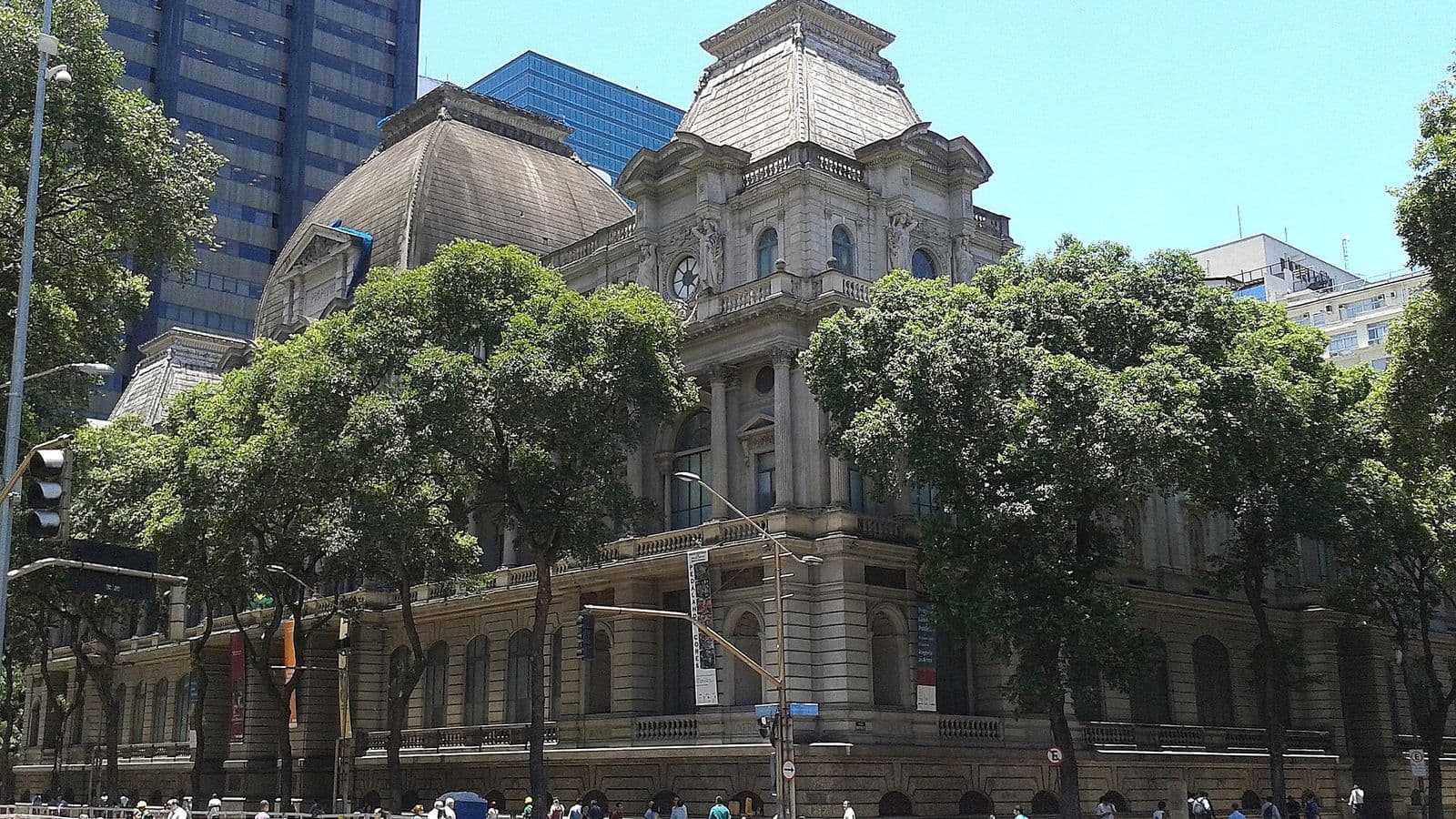
An exhibition on view at the National Museum of Fine Arts (MNBA), in downtown Rio de Janeiro, recovers the stories of eight women who fought against slavery in Brazil, according to Folha de S.Paulo. The show is called "Abolicionistas Brasileiras" (Brazilian Women Abolitionists).
Among the figures are Adelina, a cigar seller who used her freedom of movement to act as an informant for the abolitionist movement in Maranhão, and Esperança Garcia, an enslaved woman who in 1770 wrote what is considered the country's first legal petition. Aqualtune, who helped lead the Palmares quilombo, is remembered as Zumbi's ancestor.
The list also includes Anastácia, a symbol of Black defiance; Luiza Mahin, mother of Luiz Gama; Maria Felipa, a fisherwoman who fought for independence; the writer Maria Firmina dos Reis, author of the first Brazilian abolitionist novel; and Maria Tomásia Figueira Lima, founder of a Ceará society against slavery made up only of women.
The appearance of almost all of them is unknown, except for Maria Tomásia, the only white woman in the group. For curator Ana Carla Soler, the lack of pictorial records meant that many were treated as myths or legends.
"We only know the story of these figures because of oral tradition," says the curator, who attributes the recovery to the resistance of the Black population.