Cinemateca Brasileira opens Silent Cinema Days with films from the 1910s and 1920s
The festival, held in partnership with the Pordenone festival, is headlined by the 1926 Japanese film 'A Page of Madness' and brings together films from the US, Sweden, Italy and Germany.
Translated from the Portuguese original by the Panorama newsroom. Read in Portuguese
Summary written by the Panorama newsroom from the sources listed below. Facts are attributed to the original publications.
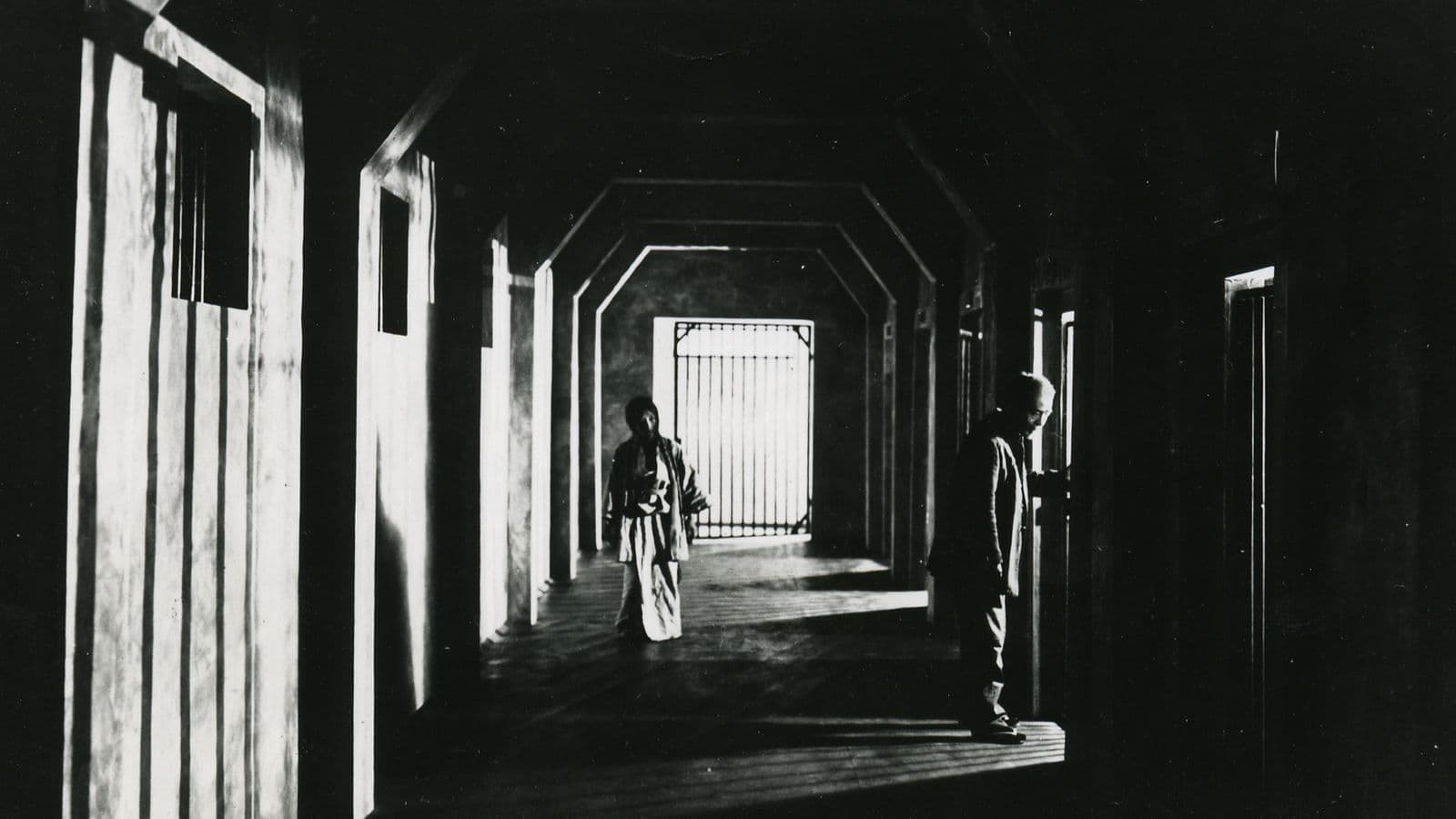
The Cinemateca Brasileira film archive opened this Thursday (5th) its Silent Cinema Days, a program organized in partnership with the Giornate del Cinema Muto, a festival in Pordenone, Italy, according to Folha. The newspaper's critic singles out the Japanese film "A Page of Madness" (1926), by Teinosuke Kinugasa, as the main attraction.
Kinugasa, who had previously played female roles as an actor and would later direct "Gate of Hell" (1953), made the film with the Neo-Sensationists, an avant-garde theater group. The story follows a man who takes a job at an asylum to be near his institutionalized wife, but, as Folha notes, the work is formal rather than narrative; historian Maria Roberta Novielli, cited in the article, observes that Kinugasa blurs flashbacks and hallucinations.
From the United States, the lineup includes "M'Liss" (1918), by Marshall Neilan, with Mary Pickford, and "Don Q, Son of Zorro" (1925), by Donald Crisp, with Douglas Fairbanks and Mary Astor. Sweden is represented by "The Gyurkovics Family" (1920), by John W. Brunius, starring Gösta Ekman.
From Italy comes "The Jester" (1924), by Mario Almirante, with Italia Almirante Manzini, an actress who came to Brazil in the 1930s and died in São Paulo in 1941. From Germany, the program screens "Genuine" (1920), by Robert Wiene, director of "The Cabinet of Dr. Caligari", and the rare "The Devil's Church" (1919), the only film directed by actor Hans Mierendorff.
The selection also includes the series of shorts "Phantom Tram Rides", featuring footage of tram journeys through cities in the early 20th century, which Folha's article describes as a document of urban life at the time.