Gonzalo Moratorio, the virologist who led Uruguay's covid testing, dies at 44
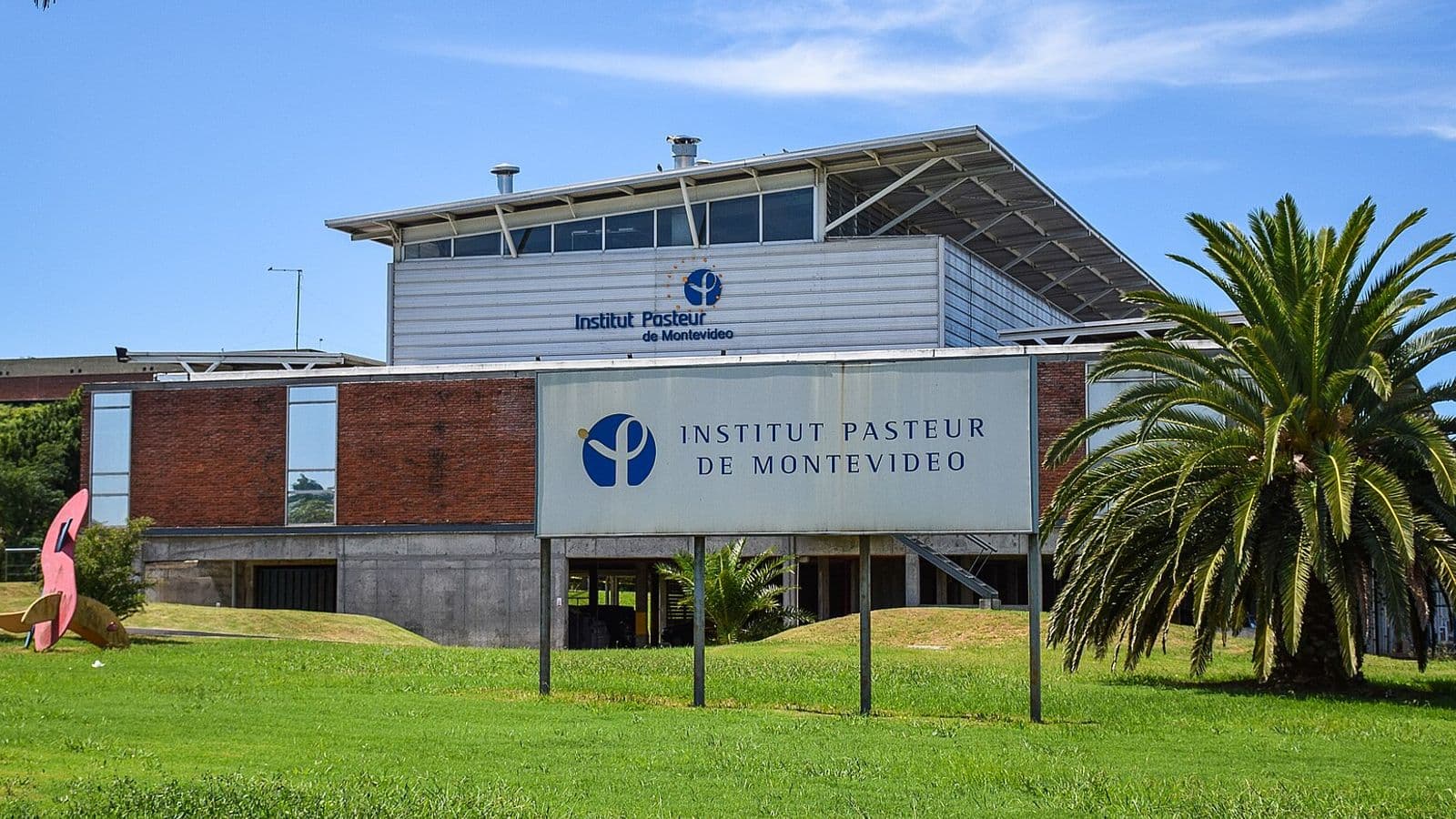
The Institut Pasteur de Montevideo scientist had glioblastoma; Uruguay's government declared two days of national mourning.
Translated from the Portuguese original by the Panorama newsroom. Read in Portuguese
Summary written by the Panorama newsroom from the sources listed below. Facts are attributed to the original publications.
Uruguayan virologist Gonzalo Moratorio died on Thursday (Nov. 5) at age 44 after battling glioblastoma, an aggressive type of brain tumor, BBC News Mundo reported. Uruguay's government declared two days of national mourning, and President Yamandú Orsi wrote on X that the country will be "eternally grateful" to him.
Moratorio headed the Experimental Virus Evolution Laboratory at the Institut Pasteur de Montevideo and was a professor at the School of Sciences of the University of the Republic. He rose to prominence during the pandemic when, together with scientist Pilar Moreno, he developed low-cost national diagnostic tests that were considered decisive in controlling covid-19 in the country. He was also part of the government's scientific advisory group.
In December 2020, the journal Nature named him among the ten people who stood out most in science that year, the only Latin American on the list. In May, Uruguay's Chamber of Representatives declared him a Contemporary Hero of the Bicentennial.
A specialist in the evolution of RNA viruses, Moratorio did postdoctoral work at the Institut Pasteur in Paris from 2012 to 2018. His research sought to limit the evolutionary potential of arboviruses such as dengue, Zika, chikungunya, yellow fever and Mayaro, and tested modified viruses as possible weapons against cancer.
According to the BBC, after his diagnosis he had to raise funds: the initial phase of treatment, in Uruguay and Brazil, was paid for with family money and donations. The immunotherapy that followed required costly imported drugs, and the Ministry of Public Health turned down his request; Moratorio went to court and won a favorable ruling, which the ministry appealed. In an interview with BBC Mundo in June, he said he was still researching with colleagues ways to defeat glioblastoma.