Shortage of pens approved for obesity stalls pledge to offer them in Brazil's public health system
New semaglutide versions approved in 2026 are labeled only for diabetes, which may exclude them from public tenders; the Health Ministry asked Anvisa to speed up registrations.
Translated from the Portuguese original by the Panorama newsroom. Read in Portuguese
Summary written by the Panorama newsroom from the sources listed below. Facts are attributed to the original publications.
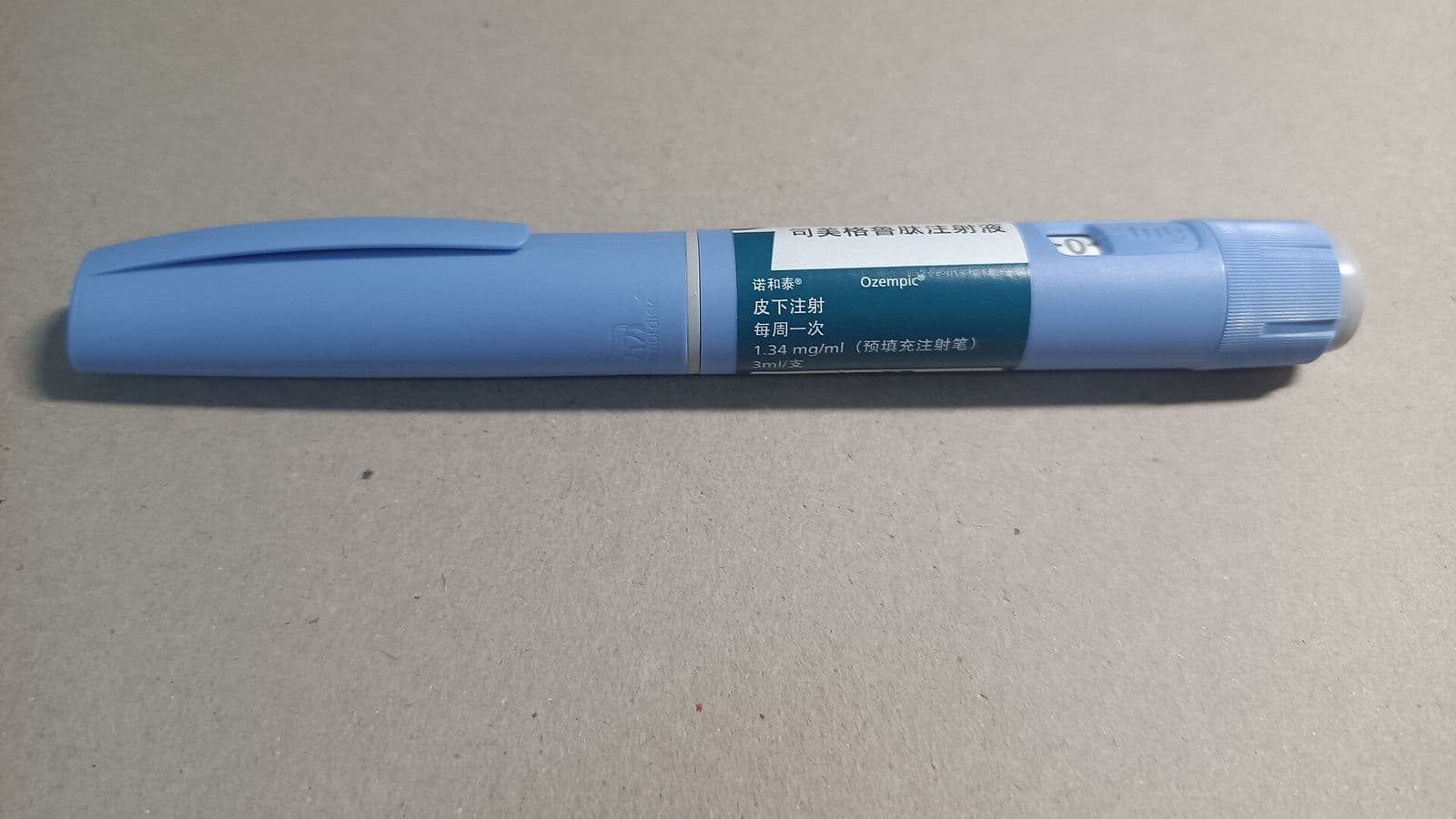
President Lula's (Workers' Party) pledge to offer weight-loss pens through the Unified Health System (SUS), Brazil's public health network, runs up against a shortage of products formally indicated for treating obesity, according to a report by Folha de S.Paulo. Today, only Denmark's Novo Nordisk has semaglutide registered in the country for that purpose.
The market grew in 2026 after the patent on semaglutide, the basis of Ozempic and Wegovy, expired. Anvisa, Brazil's health regulator, has authorized 12 new drugs containing the substance this year, including generics at least 35% cheaper, but all are labeled only for diabetes control. These products are used off-label against obesity in the private sector, but may be barred from a public tender that requires registration for weight loss.
The gap may also limit the price analysis by Conitec, the commission that evaluates the inclusion of technologies in the SUS. For that reason, the Health Ministry asked Anvisa to speed up registrations, and the agency decided to prioritize for six months applications for semaglutide already approved for type 2 diabetes that seek an indication for weight control.
Days after Lula made the offer a campaign promise in September, Health Minister Alexandre Padilha asked Conitec to evaluate adding the pens, with a 180-day deadline that can be extended by another 90. He told Folha he intends to set aside R$1.5 billion a year to serve millions of patients, a calculation viewed with skepticism by members of the pharmaceutical industry, since it would require steep discounts.
Conitec has already rejected adding the pens three times. In August 2025, it turned down Novo Nordisk's request after estimating that offering Wegovy would cost R$6.8 billion over five years. The company has also submitted a new, narrower proposal, aimed at about 39,000 patients with obesity who have already had a heart attack, at a cost of R$500 million to R$650 million a year.