Bill Gates says Trump administration is stalling protection against AI-made bioweapons
At a Financial Times conference, the Microsoft co-founder said an AI-related biosecurity incident could be worse than Covid and called for government rules.
Translated from the Portuguese original by the Panorama newsroom. Read in Portuguese
Summary written by the Panorama newsroom from the sources listed below. Facts are attributed to the original publications.
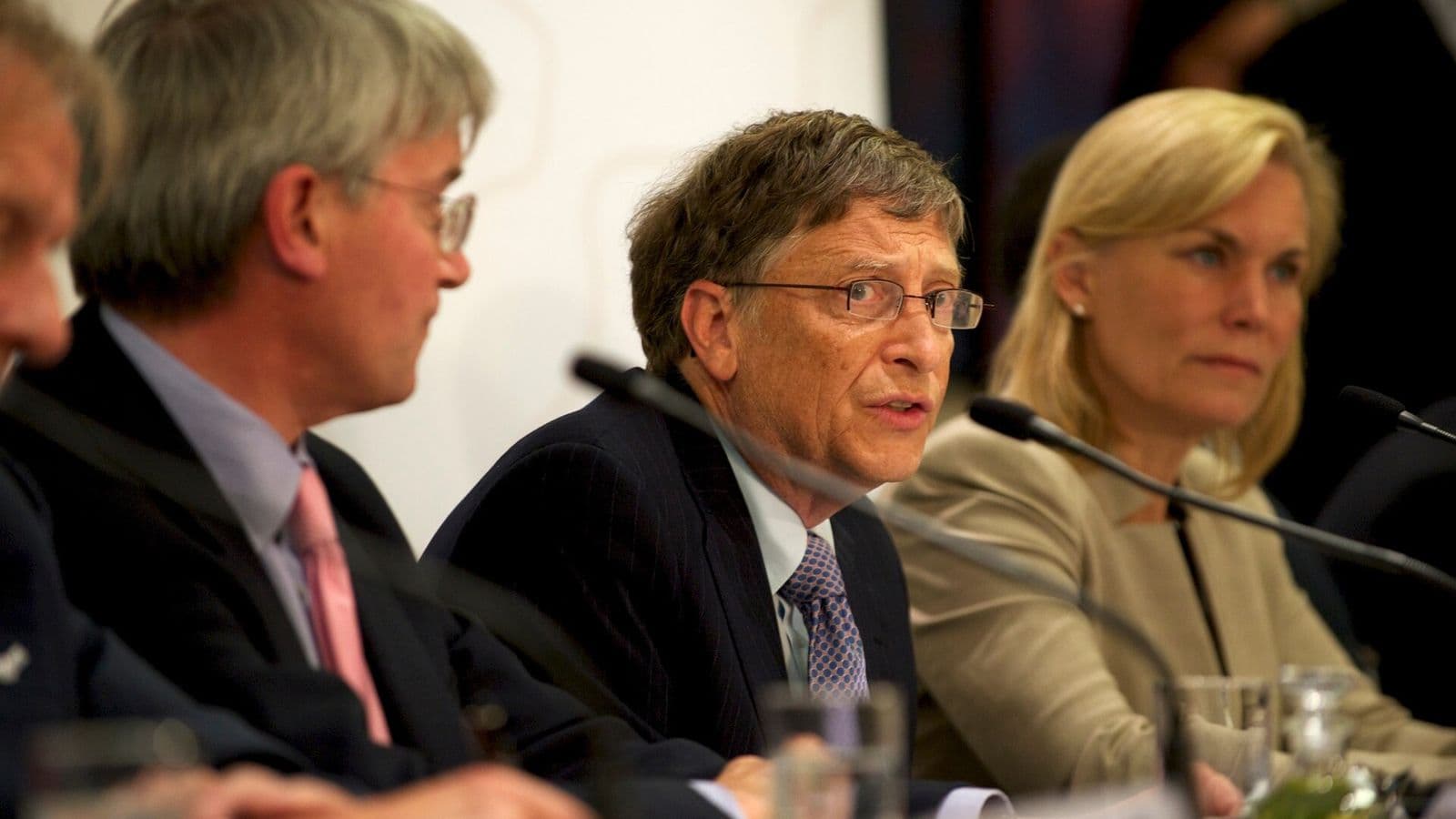
Billionaire Bill Gates accused Donald Trump's administration of blocking initiatives to protect against the risks of artificial intelligence, according to a Financial Times report published by Folha de S.Paulo. The Microsoft co-founder spoke on Wednesday (Nov. 4) at the Future of AI conference, hosted by the British newspaper in London.
For Gates, the most immediate danger lies in the use of AI tools by bad actors to create biological weapons or exploit cybersecurity flaws. He cited how easy it is to strip safety guardrails from open models, which are freely distributed to developers, and said the scale of such a biosecurity incident could be significantly worse than Covid.
According to the businessman, international efforts to regulate the technology are stalled because the White House is not acting, and there is little point in moving ahead without the United States. Trump has rejected calls for stricter regulation and prefers to rely on industry self-regulation, an approach that, in Gates' view, does not work when several companies are involved.
Among his proposals, he asked the US government to create a benchmark for model safeguards and monitoring, lead a global effort to fix cyber vulnerabilities and expand surveillance of air, wastewater and blood to detect possible AI-driven infections early.
Gates also predicted that OpenAI and Anthropic are likely to release new models later this year and said the risk of the systems themselves getting out of control should soon become a serious concern, which would require safeguards and independent audits. He also argued for speeding up the technology's benefits, such as drug discovery.